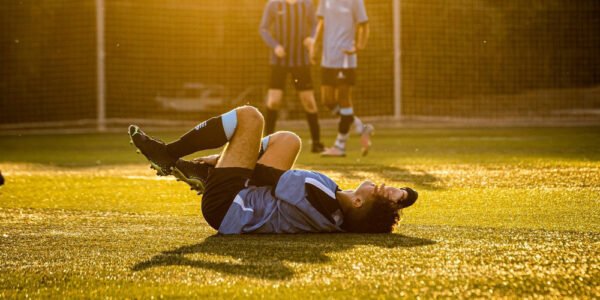
Knee Ligament Strain in Walking Football

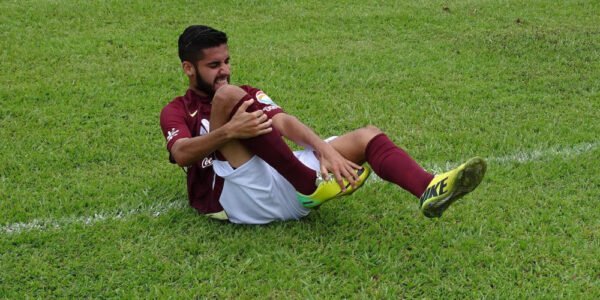
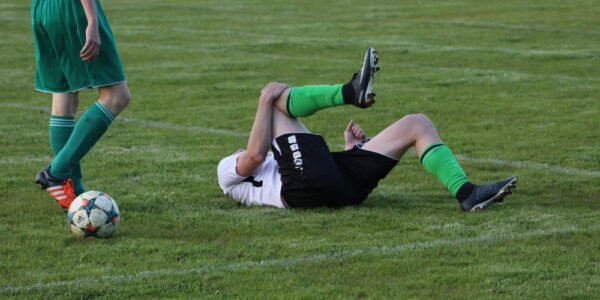
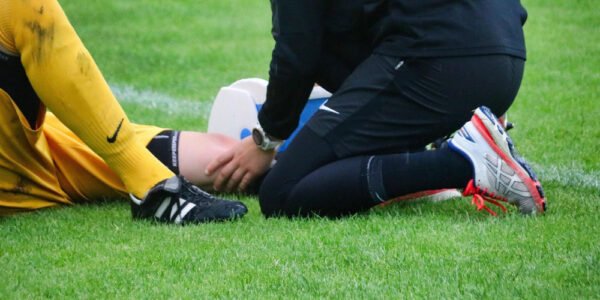
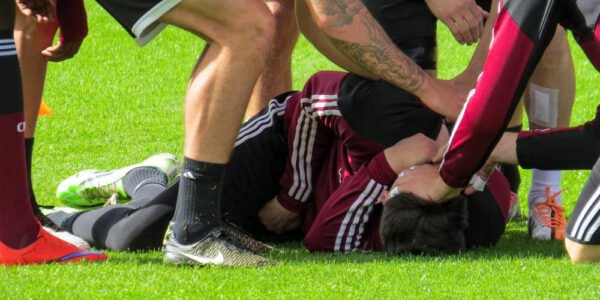
Knee Ligament Strain in Walking Football A knee ligament strain is an injury to the strong bands of tissue that support and stabilise the knee joint. These ligaments control movement, balance and joint alignment — all of which are heavily used during turning, stopping and changing direction in walking football. Because many walking footballers return to sport later in life,…

0 Comments

Groin Strain in Walking Football

Groin Strain in Walking Football A groin strain is an injury to the muscles on the inside of the thigh that help stabilise the hips, control side-to-side movement and support balance. These muscles are heavily used when changing direction, stretching for the ball and controlling movement — all key parts of walking football. Because many players return to football later…

0 Comments

Quadriceps Strain in Walking Football

Quadriceps Strain in Walking Football A quadriceps strain is an injury to the large muscles at the front of the thigh. These muscles are responsible for straightening the knee, controlling walking movement and powering every kick of the ball. Because kicking is repeated constantly during walking football, the quadriceps are placed under continuous strain. Many walking footballers return to the…

0 Comments

Calf Muscle Strain in Walking Football

Calf Muscle Strain in Walking FootballA calf muscle strain is one of the most common injuries experienced by walking football players. The calf muscles are heavily involved in walking, stopping, turning and pushing off the ground — movements that are repeated throughout every match.Because many players return to football later in life after long breaks, calf muscles are often tight,…

0 Comments

Hamstring Strain in Walking Football

Hamstring Strain in Walking FootballA hamstring strain is one of the most common muscle injuries seen in walking football. The hamstrings run along the back of the thigh and play a key role in slowing the leg down, changing direction and controlling balance — all actions used constantly during a match.Because many walking footballers return to sport after long periods…

0 Comments

Achilles Tendon Injury in Walking Football

Achilles Tendon Injury in Walking FootballAchilles tendon injuries are one of the most common and serious problems faced by walking football players. The Achilles tendon connects your calf muscles to your heel and plays a vital role in walking, turning, stopping and pushing off the ground. These movements are used constantly during a match, placing repeated strain through the tendon.Many…

0 Comments

WFA Walking Football DOGSO Rules Explained

WFA Law – DOGSO ExplainedDOGSO stands for Denying an Obvious Goal Scoring Opportunity. It is one of the most serious offences in walking football because it involves stopping a clear chance to score by unfair or illegal means.This law exists to prevent deliberate “professional fouls” and keep the game fair.What Is a DOGSO Offence?A DOGSO offence occurs when a player…

0 Comments

WFA Walking Football Safety Rules Explained

WFA Law – Safety Rules ExplainedSafety is at the heart of walking football. The WFA Safety Law sets out simple equipment rules designed to protect players and reduce the risk of injury during matches and training.This guide explains what players must wear — and what they should avoid — to stay safe on the pitch.Jewellery and WatchesPlayers must not wear…

0 Comments

WFA Walking Football Playing Advantage Rules

WFA Law – Playing Advantage ExplainedPlaying advantage allows referees to let play continue after an infringement when stopping the game would actually disadvantage the team that has been fouled. This rule helps maintain the flow of the game while still protecting fairness and player safety.When Advantage May Be PlayedReferees will only allow advantage to be played if:It clearly benefits the…

0 Comments

WFA Walking Football Kick-Ins and Corners Rules

WFA Law – Kick-Ins and Corners ExplainedKick-ins and corner kicks are used to restart play when the ball leaves the pitch. Under WFA rules, both restarts are treated as indirect, meaning a goal cannot be scored directly from them.This guide explains how kick-ins and corners must be taken.Indirect RestartsAll kick-ins and corners are indirect. A goal is only allowed if…

0 Comments