
Tennis Elbow in Walking Football

Tennis Elbow in Walking FootballTennis elbow is an overuse injury affecting the tendons on the outside of the elbow. These tendons control wrist and hand movement and are used constantly for balance, shielding, stabilising the body and absorbing impact during play.Many walking footballers develop tennis elbow without realising it, as symptoms often begin gradually and worsen over time.Why Tennis Elbow…

0 Comments

Shoulder Strain in Walking Football

Shoulder Strain in Walking FootballA shoulder strain is an injury to the muscles and tendons that support the shoulder joint. These muscles stabilise the arm during movement, balance and light contact — all actions used frequently in walking football.Because many players return to football after long breaks, shoulder muscles are often weaker and less flexible than needed, increasing injury risk.Why…

0 Comments

Wrist Sprain in Walking Football

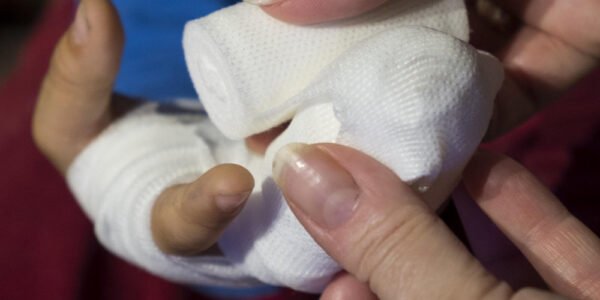
Wrist Sprain in Walking FootballA wrist sprain occurs when the ligaments that support the wrist joint are overstretched or torn. These injuries most often happen when players fall and instinctively put their hands out to protect themselves.Although walking football is low contact, trips, slips and loss of balance can still happen — making wrist sprains more common than many players…

0 Comments

Lower Back Strain in Walking Football

Lower Back Strain in Walking FootballA lower back strain is an injury to the muscles and soft tissues that support the spine. These muscles play a key role in posture, balance and rotational movement — all of which are used constantly in walking football.Because many players return to football later in life, back muscles are often tight and weaker than…

0 Comments

Hip Flexor Strain in Walking Football

Hip Flexor Strain in Walking FootballA hip flexor strain is an injury to the muscles at the front of the hip that lift the knee and control forward movement of the leg. These muscles are constantly used in walking football when stepping forward, turning, kicking and changing direction.Because many players return to football after long breaks, hip flexor muscles are…

0 Comments

Shin Splints in Walking Football

Shin Splints in Walking FootballShin splints refer to pain along the front or inside edge of the shin bone (tibia). This condition is caused by repeated stress on the muscles, tendons and bone tissue of the lower leg and is particularly common in walking football due to the stop-start nature of the game.Many players experience shin splints when returning to…

0 Comments

Ankle Sprains in Walking Football

Ankle Sprains in Walking FootballAn ankle sprain occurs when the ligaments that support the ankle joint are overstretched or torn. These ligaments stabilise the foot and ankle during walking, turning and changing direction — movements used constantly in walking football.Because walking football involves frequent changes of direction and play often takes place on artificial surfaces, ankle sprains are a very…

0 Comments

Plantar Fasciitis in Walking Football

Plantar Fasciitis in Walking FootballPlantar fasciitis is an injury to the thick band of tissue that runs along the bottom of the foot, connecting the heel bone to the toes. This tissue supports the arch of the foot and absorbs shock during walking and turning — making it particularly vulnerable in walking football.Because many players return to sport later in…

0 Comments

Meniscus Injury in Walking Football

Meniscus Injury in Walking FootballA meniscus injury affects the cartilage inside the knee joint that acts as a shock absorber and stabiliser. Each knee has two menisci which protect the joint when walking, turning and changing direction — all movements used constantly in walking football.Because walking football involves repeated twisting and turning, the meniscus is particularly vulnerable to injury.Why Meniscus…

0 Comments