Rib Bruising in Walking Football
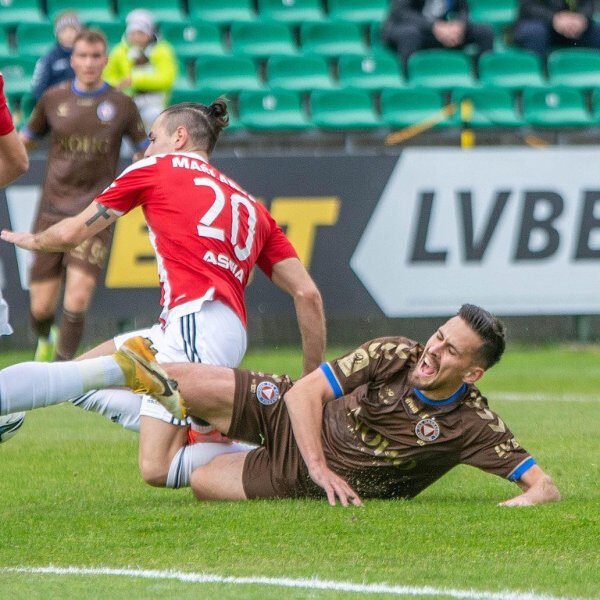
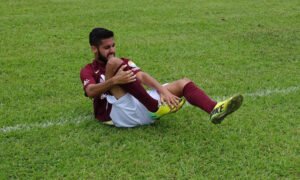
Rib bruising occurs when the soft tissue and bone around the ribs are impacted by a blow or compression. Although walking football is low-contact, ribs can be bruised through accidental collisions, falls, awkward twists and contact with barriers or the ground.
Rib bruising can be painful and restrict breathing and movement, making early management important.
Why Rib Bruising Happens
Rib bruising usually occurs when a player bumps into a barrier, collides lightly with another player, falls onto their side or twists awkwardly while reaching for the ball.
Reduced balance, slower reactions and playing on enclosed pitches increase risk.
Early Warning Signs
Sharp or aching pain around the chest, pain when breathing deeply, coughing, twisting or reaching, local tenderness and bruising are common symptoms.
What To Do If Rib Pain Starts
Stop playing immediately. Apply ice to the affected area for 15–20 minutes, rest and avoid twisting movements. Seek medical advice if breathing becomes difficult or pain is severe.
Typical Recovery Times
| Severity | Recovery Time |
|---|
| Mild bruising | 1–2 weeks |
| Moderate bruising | 3–6 weeks |
| Deep contusion | 6–8+ weeks |
Rehab and Care
Gentle breathing exercises, light mobility and posture awareness help prevent stiffness while healing.
Prevention Tips
Warm up thoroughly, maintain balance training and be cautious near barriers.
Final Thoughts
Rib bruising can be uncomfortable but heals well with rest and care.
Part of the Walking Football Injuries Hub:
👉 /walking-football-injuries/