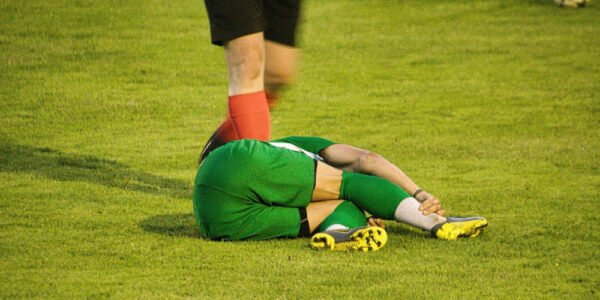
Ankle Sprains in Walking Football

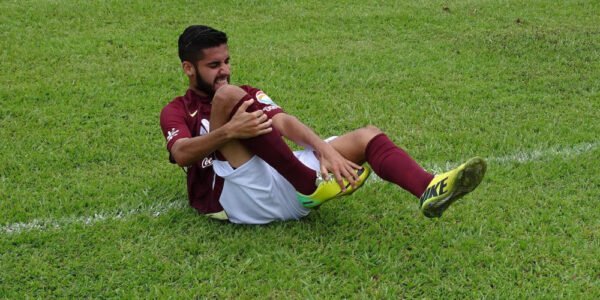
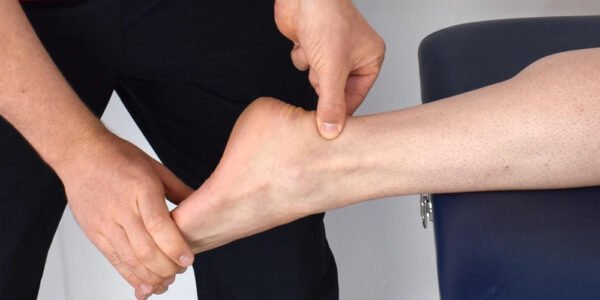
Ankle Sprains in Walking FootballAn ankle sprain occurs when the ligaments that support the ankle joint are overstretched or torn. These ligaments stabilise the foot and ankle during walking, turning and changing direction — movements used constantly in walking football.Because walking football involves frequent changes of direction and play often takes place on artificial surfaces, ankle sprains are a very…

0 Comments

Plantar Fasciitis in Walking Football

Plantar Fasciitis in Walking FootballPlantar fasciitis is an injury to the thick band of tissue that runs along the bottom of the foot, connecting the heel bone to the toes. This tissue supports the arch of the foot and absorbs shock during walking and turning — making it particularly vulnerable in walking football.Because many players return to sport later in…

0 Comments

Meniscus Injury in Walking Football

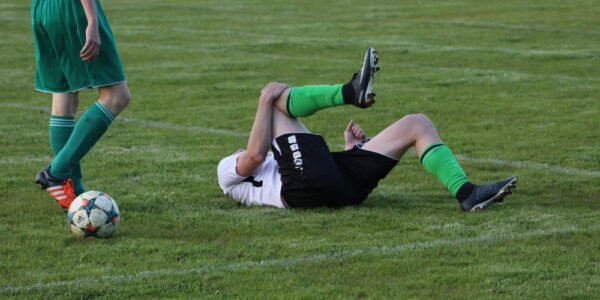
Meniscus Injury in Walking FootballA meniscus injury affects the cartilage inside the knee joint that acts as a shock absorber and stabiliser. Each knee has two menisci which protect the joint when walking, turning and changing direction — all movements used constantly in walking football.Because walking football involves repeated twisting and turning, the meniscus is particularly vulnerable to injury.Why Meniscus…

0 Comments

Knee Ligament Strain in Walking Football

Knee Ligament Strain in Walking Football A knee ligament strain is an injury to the strong bands of tissue that support and stabilise the knee joint. These ligaments control movement, balance and joint alignment — all of which are heavily used during turning, stopping and changing direction in walking football. Because many walking footballers return to sport later in life,…

0 Comments

Groin Strain in Walking Football

Groin Strain in Walking Football A groin strain is an injury to the muscles on the inside of the thigh that help stabilise the hips, control side-to-side movement and support balance. These muscles are heavily used when changing direction, stretching for the ball and controlling movement — all key parts of walking football. Because many players return to football later…

0 Comments

Quadriceps Strain in Walking Football

Quadriceps Strain in Walking Football A quadriceps strain is an injury to the large muscles at the front of the thigh. These muscles are responsible for straightening the knee, controlling walking movement and powering every kick of the ball. Because kicking is repeated constantly during walking football, the quadriceps are placed under continuous strain. Many walking footballers return to the…

0 Comments

Calf Muscle Strain in Walking Football

Calf Muscle Strain in Walking FootballA calf muscle strain is one of the most common injuries experienced by walking football players. The calf muscles are heavily involved in walking, stopping, turning and pushing off the ground — movements that are repeated throughout every match.Because many players return to football later in life after long breaks, calf muscles are often tight,…

0 Comments

Hamstring Strain in Walking Football

Hamstring Strain in Walking FootballA hamstring strain is one of the most common muscle injuries seen in walking football. The hamstrings run along the back of the thigh and play a key role in slowing the leg down, changing direction and controlling balance — all actions used constantly during a match.Because many walking footballers return to sport after long periods…

0 Comments

Achilles Tendon Injury in Walking Football

Achilles Tendon Injury in Walking FootballAchilles tendon injuries are one of the most common and serious problems faced by walking football players. The Achilles tendon connects your calf muscles to your heel and plays a vital role in walking, turning, stopping and pushing off the ground. These movements are used constantly during a match, placing repeated strain through the tendon.Many…

0 Comments