Achilles Tendon Injury in Walking Football
Achilles tendon injuries are one of the most common and serious problems faced by walking football players. The Achilles tendon connects your calf muscles to your heel and plays a vital role in walking, turning, stopping and pushing off the ground. These movements are used constantly during a match, placing repeated strain through the tendon.
Many walking footballers return to the game later in life after long breaks from regular sport. This often means the Achilles tendon is not fully conditioned for football movements, increasing the risk of both strains and tears.
Why Achilles Injuries Are So Common
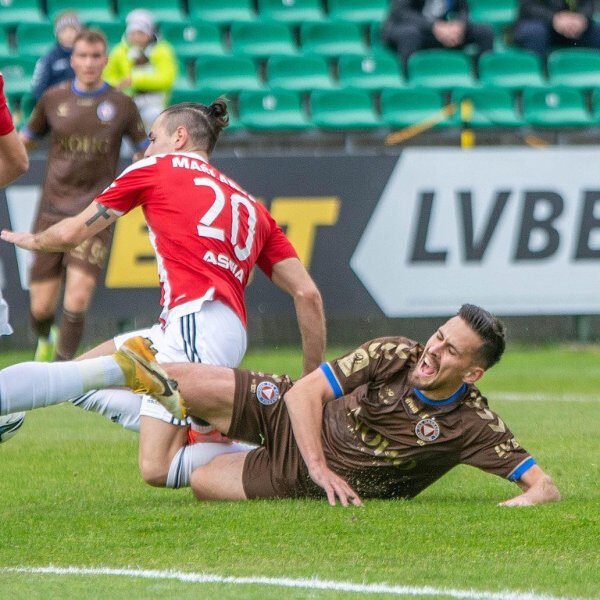
Walking football involves frequent changes of direction, short bursts of movement, stretching to reach the ball and stopping quickly. All of these actions place load through the Achilles tendon. Over time, especially on artificial pitches, this repeated strain can weaken the tendon and lead to injury.
Poor footwear, tight calf muscles, inadequate warm-ups and trying to increase playing time too quickly are also major contributing factors.
Strain vs Tear – What’s the Difference?
An Achilles strain occurs when small fibres within the tendon are overstretched or slightly torn. This usually causes stiffness and pain but allows continued movement. A partial tear involves more significant damage and can make walking uncomfortable. A full rupture is a complete tear of the tendon and is a serious injury that often causes a sudden sharp pain or “popping” sensation, followed by difficulty walking.
Early Warning Signs
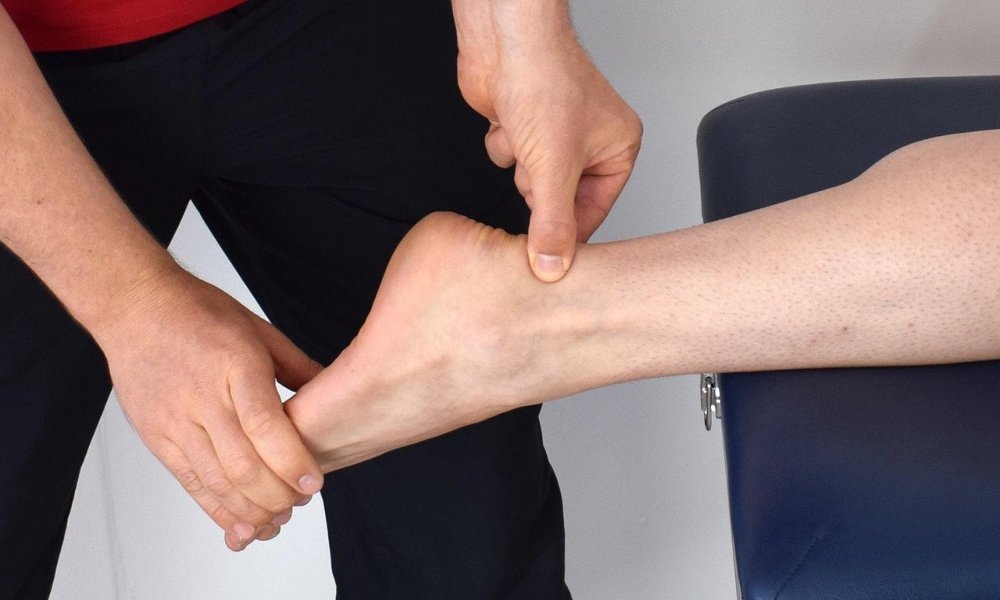
Many Achilles injuries develop gradually. Early signs can include stiffness around the heel first thing in the morning, soreness after matches, tenderness when touching the back of the heel and swelling or warmth around the tendon. Pain when pushing off to walk or turn is another common warning sign.
Ignoring these symptoms greatly increases the risk of a tear.
What To Do If Pain Starts
At the first sign of Achilles pain, it is important to stop playing and allow the tendon to settle. Apply ice for 15–20 minutes, keep the foot elevated when possible and avoid aggressive stretching. If pain does not improve within 48 hours, seek medical advice.
Sudden sharp pain, a popping sensation or difficulty walking should be treated as urgent and assessed immediately.
Typical Recovery Times
Recovery depends on the severity of the injury. Mild strains may settle within two to four weeks. Moderate tears can take six to twelve weeks to recover fully. A full rupture may require several months of rehabilitation and, in some cases, surgery.
Returning too early is one of the main causes of re-injury.
Simple Rehab and Strengthening
Once pain has settled, gentle calf stretching, ankle mobility exercises and slow heel raises can help rebuild strength in the tendon. These exercises should always be progressed gradually and stopped if pain returns.
Prevention Tips
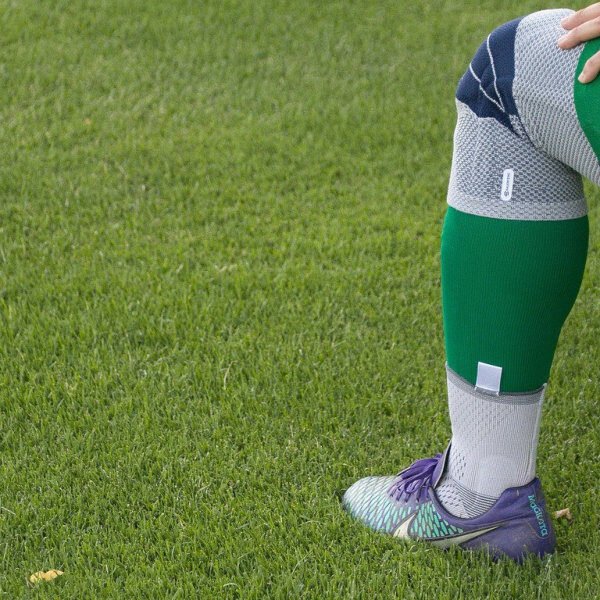
Warming up the calves properly, stretching regularly, wearing supportive footwear, increasing playing time gradually and resting when stiffness appears are all simple but highly effective ways to protect your Achilles tendon.
Final Thoughts
Looking after your Achilles tendon is essential for staying active in walking football. Early action, sensible recovery and proper preparation can prevent long-term injury and help you enjoy the game safely.
Part of the Walking Football Injuries Hub:
👉 /Walking Football Injuries/