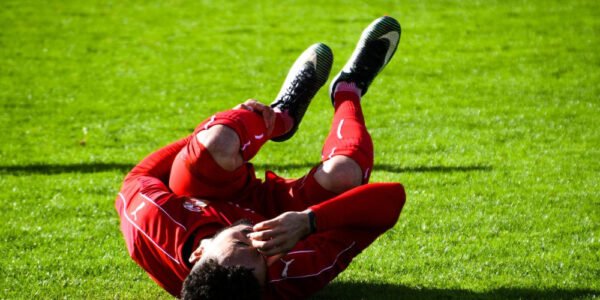
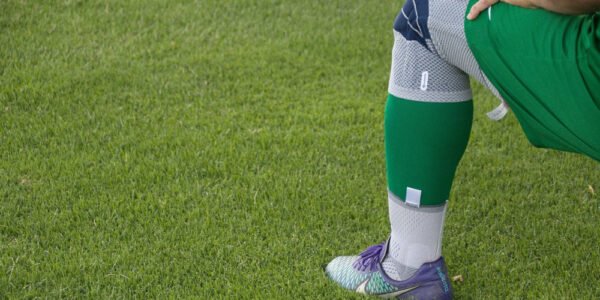
Joint Stiffness and Arthritis in Walking Football

Joint Stiffness and Arthritis in Walking FootballJoint stiffness and arthritis flare-ups are very common among walking football players, particularly those returning to sport later in life. These conditions affect the knees, hips, ankles, lower back and hands, often causing discomfort, reduced movement and post-match soreness.Walking football is excellent for maintaining joint health, but if not managed properly it can also…

0 Comments

Thigh Contusions in Walking Football

Thigh Contusions in Walking FootballA thigh contusion is a deep bruise to the large muscles at the front or back of the thigh, caused by a direct blow. These injuries often happen when the ball strikes the leg at speed, a blocked shot hits the thigh, or there is accidental contact between players.Although walking football limits contact, thigh contusions still…

0 Comments

Rib Bruising in Walking Football

Rib Bruising in Walking FootballRib bruising occurs when the soft tissue and bone around the ribs are impacted by a blow or compression. Although walking football is low-contact, ribs can be bruised through accidental collisions, falls, awkward twists and contact with barriers or the ground.Rib bruising can be painful and restrict breathing and movement, making early management important.Why Rib Bruising…

0 Comments

Finger Sprains in Walking Football

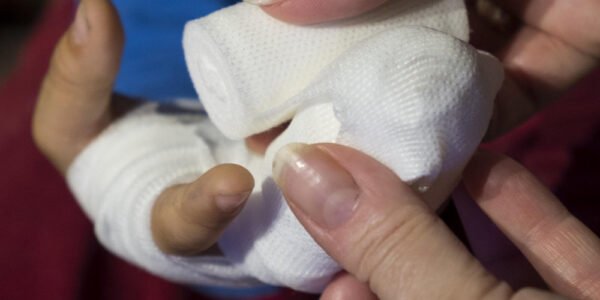
Finger Sprains in Walking FootballA finger sprain happens when the ligaments that support the finger joints are overstretched or torn. These injuries are common when fingers are caught on clothing, collide with the ball, strike another player or are used to break a fall.Goalkeepers are particularly at risk, but finger sprains can affect any player.Why Finger Sprains HappenFinger sprains usually…

0 Comments

Wrist Sprain in Walking Football

Wrist Sprain in Walking FootballA wrist sprain occurs when the ligaments that support the wrist joint are overstretched or torn. These injuries most often happen when players fall and instinctively put their hands out to protect themselves.Although walking football is low contact, trips, slips and loss of balance can still happen — making wrist sprains more common than many players…

0 Comments

Tennis Elbow in Walking Football

Tennis Elbow in Walking FootballTennis elbow is an overuse injury affecting the tendons on the outside of the elbow. These tendons control wrist and hand movement and are used constantly for balance, shielding, stabilising the body and absorbing impact during play.Many walking footballers develop tennis elbow without realising it, as symptoms often begin gradually and worsen over time.Why Tennis Elbow…

0 Comments

Shoulder Strain in Walking Football

Shoulder Strain in Walking FootballA shoulder strain is an injury to the muscles and tendons that support the shoulder joint. These muscles stabilise the arm during movement, balance and light contact — all actions used frequently in walking football.Because many players return to football after long breaks, shoulder muscles are often weaker and less flexible than needed, increasing injury risk.Why…

0 Comments

Lower Back Strain in Walking Football

Lower Back Strain in Walking FootballA lower back strain is an injury to the muscles and soft tissues that support the spine. These muscles play a key role in posture, balance and rotational movement — all of which are used constantly in walking football.Because many players return to football later in life, back muscles are often tight and weaker than…

0 Comments

Hip Flexor Strain in Walking Football

Hip Flexor Strain in Walking FootballA hip flexor strain is an injury to the muscles at the front of the hip that lift the knee and control forward movement of the leg. These muscles are constantly used in walking football when stepping forward, turning, kicking and changing direction.Because many players return to football after long breaks, hip flexor muscles are…

0 Comments

Shin Splints in Walking Football

Shin Splints in Walking FootballShin splints refer to pain along the front or inside edge of the shin bone (tibia). This condition is caused by repeated stress on the muscles, tendons and bone tissue of the lower leg and is particularly common in walking football due to the stop-start nature of the game.Many players experience shin splints when returning to…

0 Comments